
Professional Heating Installation: A Complete Guide to Choosing the Best Heating System for Your Home
Professional Heating Installation: A Complete Guide to Choosing the Best Heating System for Your Home
Many homeowners do not think about their heating systems until something goes wrong. You might notice that certain rooms never seem to get warm enough, your furnace makes unusual noises, or your energy bills continue increasing even though your heating habits have not changed. In other situations, an older heating system may simply no longer meet your household’s needs.
Whatever the reason, installing a new heating system provides an opportunity to improve the comfort and performance of your home.
However, heating installation involves more than purchasing a new furnace or heat pump. The process requires proper equipment selection, accurate heating load calculations, appropriate ductwork, safe electrical or gas connections, and professional installation. Each component needs to work together to deliver dependable heating.
Whether you are considering furnace installation, heat pump installation, ductless heating, thermostat replacement, or a complete heating system upgrade, understanding your options can help you make a more informed decision.
In this guide, we will explore professional heating installation services, different heating systems, important installation considerations, energy-efficient options, and practical tips for choosing the right heating contractor.
What Is Professional Heating Installation?
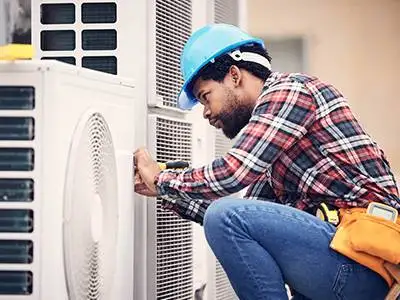
Heating installation is the process of selecting, setting up, connecting, and testing a heating system designed to provide warmth throughout a residential or commercial property.
The installation process depends on the type of equipment being installed and the existing condition of the property.
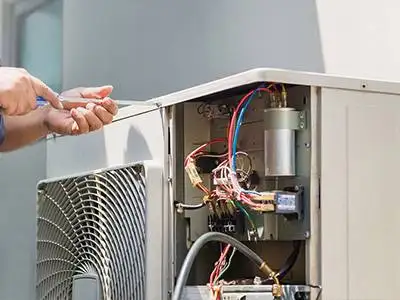
For example, installing a gas furnace may require gas connections, electrical wiring, exhaust venting, and ductwork connections. Installing a heat pump involves outdoor and indoor equipment, refrigerant lines, electrical connections, and appropriate airflow arrangements.
A professional heating installation service typically includes:
- Evaluation of the existing heating system.
- Assessment of the property’s heating requirements.
- Heating equipment selection.
- Equipment sizing and placement.
- Ductwork inspection and modifications when needed.
- Electrical and gas connection coordination.
- Thermostat installation.
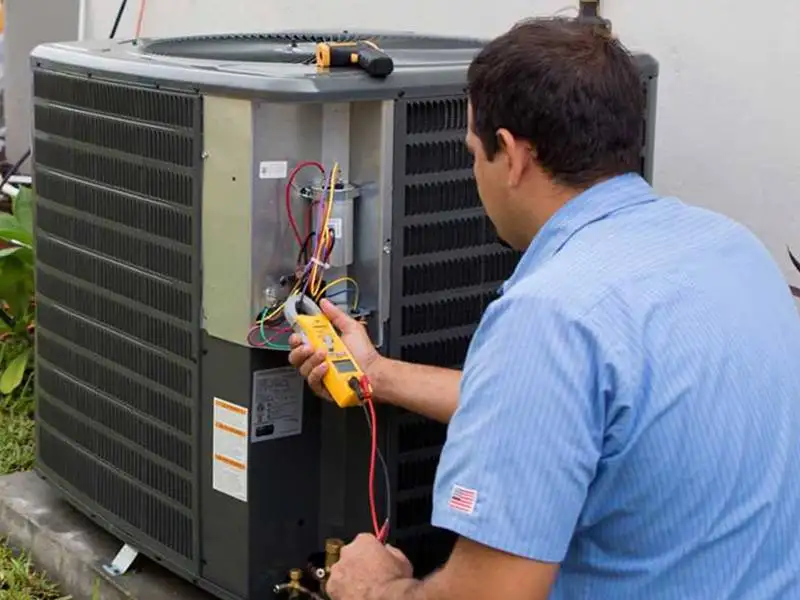
- System startup and performance testing.
- Safety checks and homeowner instructions.
The objective is to install a heating system that matches the property’s requirements rather than simply choosing the largest or most expensive equipment available.
Proper installation is essential because even high-quality heating equipment may perform poorly if it is incorrectly sized, improperly connected, or installed without considering the home’s airflow requirements.
1. Furnace Installation and Replacement
Furnace installation is one of the most common heating services for homeowners who want reliable indoor heating.
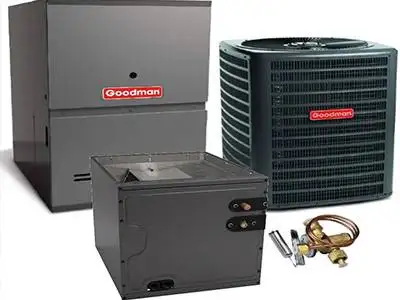
A furnace works by generating heat and distributing warm air throughout the property through a ductwork system. Depending on the equipment, the heating source may be natural gas, electricity, or another approved fuel.
If your existing furnace is old, unreliable, or no longer heating your home consistently, replacing it may be worth considering.
Signs You May Need a New Furnace
There are several indications that your current furnace may be approaching the end of its useful service life.
- Frequent breakdowns or repair appointments.
- Uneven heating between different rooms.
- Unusual banging, rattling, or operating noises.
- Increasing energy consumption.
- Difficulty maintaining the thermostat setting.
- Visible corrosion or deterioration.
- A furnace that requires increasingly expensive repairs.
These symptoms do not automatically mean replacement is necessary. A qualified HVAC technician should inspect the equipment to determine whether a repair or replacement is the better option.
What Is Included in Furnace Installation?
Professional furnace installation begins with evaluating the existing heating system and determining the appropriate replacement equipment.
The installation may include:
- Removing the existing furnace.
- Preparing the installation area.
- Installing the new furnace.
- Connecting the necessary electrical components.
- Connecting approved gas piping when applicable.
- Inspecting exhaust venting.
- Connecting supply and return air ducts.
- Installing or configuring the thermostat.
- Testing airflow and heating performance.
- Checking system safety controls.
Choosing the correct furnace capacity is particularly important. An oversized furnace may turn on and off too frequently, while an undersized system may struggle to maintain comfortable temperatures during colder conditions.
A properly sized furnace should be selected according to the home’s heating load, insulation, windows, layout, and other relevant factors.
2. Heat Pump Installation
Heat pumps are becoming an increasingly popular option for homeowners looking for an energy-efficient heating and cooling solution.
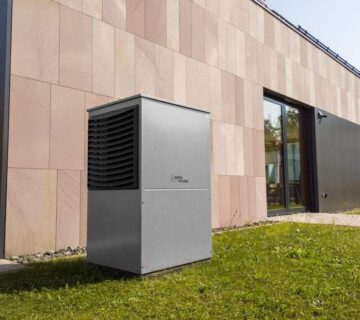
Unlike a traditional furnace, which generates heat through combustion or electrical resistance, a heat pump transfers heat from one location to another.
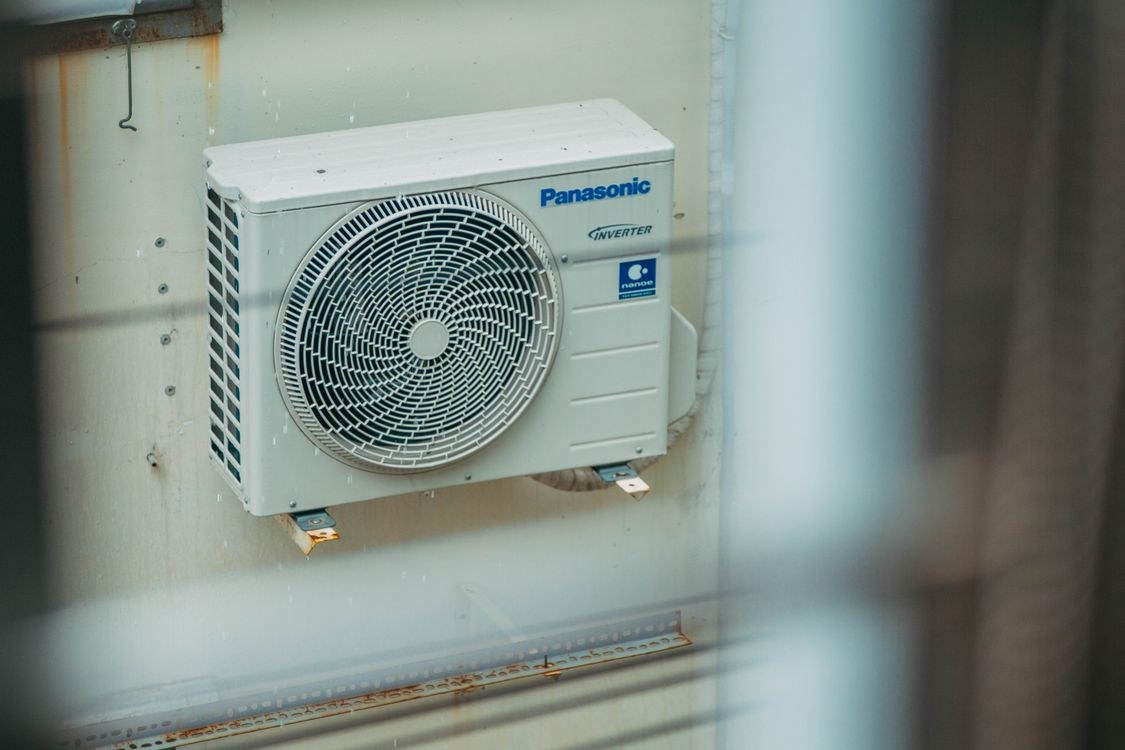
During heating operation, the system extracts available heat energy from outdoor air and transfers it indoors. During warmer weather, the process reverses to provide air conditioning.
This allows one system to provide both heating and cooling.
Benefits of Installing a Heat Pump
A properly selected heat pump can offer several advantages.
Heating and cooling in one system: Homeowners can use the same equipment throughout the year rather than maintaining separate systems for heating and cooling.
Energy efficiency: Heat pumps move heat instead of generating it directly through combustion or resistance heating. Their efficiency depends on outdoor conditions, equipment selection, and installation quality.
Consistent indoor comfort: Modern heat pumps can provide steady heating when appropriately sized and configured.
Reduced reliance on fossil fuels: An electric heat pump can reduce direct on-site combustion compared with a gas furnace.
Flexible equipment options: Heat pumps are available in central ducted and ductless configurations.
When considering heat pump installation, evaluate the property’s existing ductwork, electrical capacity, insulation, and heating requirements.
A professional HVAC contractor can help determine whether a heat pump is suitable for your home and explain the expected operating characteristics.
3. Ductless Heating Installation
Not every property has existing ductwork, and some homes have rooms that are difficult to heat evenly using a traditional central system.
Ductless heating installation offers an alternative for these situations.
Ductless mini-split systems generally consist of an outdoor unit connected to one or more indoor air-handling units through refrigerant lines and electrical connections.
The indoor units distribute conditioned air directly into their respective rooms or zones.
Where Are Ductless Heating Systems Useful?
Ductless systems can be particularly useful for:
- Homes without existing ductwork.
- Room additions.
- Converted garages.
- Guest rooms.
- Home offices.
- Detached living spaces.
- Rooms with inconsistent heating.
- Properties where installing new ducts would be difficult.
One advantage of a multi-zone ductless system is that different indoor units can provide separate temperature settings.
This allows homeowners to adjust heating according to the needs of individual rooms rather than relying entirely on one central thermostat.
Important Considerations for Ductless Installation
Before installing a ductless heating system, consider the number of indoor units required, their placement, outdoor equipment location, electrical requirements, and refrigerant line routing.
The system should be sized according to the heating load of each space.
Incorrect sizing can affect comfort, energy consumption, and equipment performance.
A professional installation also requires attention to condensate drainage, mounting support, refrigerant connections, and manufacturer specifications.
4. Electric Heating Installation
Electric heating systems are another option for residential properties.
Depending on the equipment, electric heating may be provided through electric furnaces, heat pumps, wall heaters, baseboard heaters, or other electric heating appliances.
The right choice depends on the size of the property, available electrical capacity, heating requirements, and operating cost considerations.
Electric Furnace Installation
An electric furnace uses heating elements to warm air before distributing it through the ductwork.
It may be considered when a property does not have access to natural gas or when an electric heating system is preferred.
Electric furnaces are generally straightforward in concept, but they can have higher operating costs than heat pumps in locations where electricity is relatively expensive.
Electric Wall Heater Installation
Wall heaters are commonly used in smaller spaces, additions, and individual rooms.
They provide localized heating without requiring a complete central duct system.
When installing an electric wall heater, consider the room dimensions, heater capacity, placement, electrical circuit requirements, and required safety clearances.
Electric Baseboard Heating
Electric baseboard heaters provide heat along the lower portion of a wall.
They are sometimes used in individual rooms or properties where central heating is not available.
Proper placement is important because furniture, curtains, and other objects should not obstruct the heater or violate the manufacturer’s clearance requirements.
Before installing electric heating equipment, have the available electrical service evaluated by a qualified professional.
5. Gas Furnace Installation and Replacement
Gas furnaces remain a common heating option in many homes.
These systems burn natural gas to generate heat, which is then transferred to the air circulating through the ductwork.
If your existing home already has a gas furnace, replacing it with a modern, properly sized model may be a practical option.
Understanding Gas Furnace Efficiency
Gas furnace efficiency is commonly expressed as Annual Fuel Utilization Efficiency, or AFUE.
AFUE measures how efficiently the furnace converts fuel energy into usable heat over a typical operating season.
For example, a furnace with a 95% AFUE rating converts approximately 95% of its fuel energy into useful heat under the rating conditions.
Higher-efficiency equipment may reduce fuel consumption, although actual savings depend on usage, utility rates, climate, equipment sizing, and installation quality.
Important Gas Furnace Installation Requirements
Gas furnace installation requires careful attention to safety and applicable building codes.
Important considerations include:
- Proper gas supply connections.
- Correct combustion air provisions.
- Approved exhaust venting.
- Electrical connections.
- Condensate drainage for applicable high-efficiency models.
- Proper furnace clearances.
- Carbon monoxide safety.
- System startup and testing.
Gas connections and combustion equipment should be handled by appropriately qualified professionals.
A correctly installed furnace should be tested to verify safe operation and proper heating performance.
6. Heating System Replacement and Upgrades
Sometimes the best solution is not repairing an older heating system but replacing it with equipment better suited to the home.
Heating system replacement provides an opportunity to evaluate the entire HVAC setup rather than simply installing another unit in the same configuration.
For example, an older home may have an outdated furnace, inefficient ductwork, an improperly sized thermostat, or airflow problems that have never been addressed.
Replacing only the furnace may not solve every comfort issue.
A complete heating system evaluation should consider:
- Existing equipment condition.
- Heating capacity.
- Ductwork condition.
- Airflow distribution.
- Insulation levels.
- Window performance.
- Thermostat compatibility.
- Electrical requirements.
- Ventilation and combustion safety.
Homeowners should also compare the cost of continued repairs with the long-term cost of replacement.
If the existing system has repeated problems, requires expensive components, or cannot maintain comfortable temperatures, a replacement consultation can help clarify the available options.
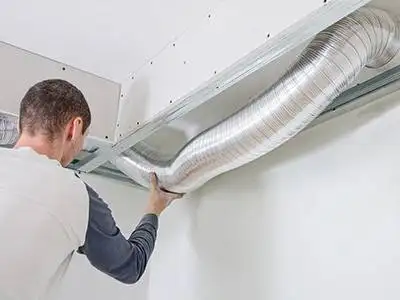
7. Heating Ductwork Installation and Replacement
Ductwork is responsible for distributing heated air throughout a property.
Even a high-quality furnace or heat pump cannot provide consistent comfort if the duct system is poorly designed, damaged, or incorrectly installed.
Heating ductwork installation is particularly important in new construction, major renovations, and properties where existing ducts need substantial modifications.
Signs Your Ductwork May Need Attention
Some common indications include:
- Certain rooms remain colder than others.
- Weak airflow from supply registers.
- Unusual whistling or rattling noises.
- Visible duct damage.
- Disconnected duct sections.
- Excessive dust around vents.
- Poor temperature consistency.
These symptoms may also have other causes, so an HVAC inspection is recommended.
Ductwork Services
Professional ductwork services may include:
New duct installation: Designing and installing supply and return ducts for new heating equipment.
Duct replacement: Removing damaged or deteriorated duct sections and installing suitable replacements.
Duct modifications: Adjusting existing duct layouts to accommodate new equipment or room configurations.
Duct sealing: Addressing air leaks at appropriate connections and joints.
Airflow balancing: Adjusting the system to improve air distribution throughout the home.
The duct system should be designed according to the required airflow and static pressure of the equipment.
Proper duct sizing, insulation, sealing, and installation can help support consistent heating throughout the property.
8. Smart Thermostat Installation
A thermostat controls when your heating system operates and helps maintain the temperature you select.
Upgrading an older thermostat to a modern programmable or smart model can provide greater convenience and more control over heating schedules.
Smart thermostats may offer features such as:
- Programmable temperature schedules.
- Remote temperature adjustments.
- Mobile application controls.
- Energy usage reports.
- Occupancy-based adjustments.
- Equipment alerts.
- Integration with compatible smart home systems.
For example, homeowners can schedule lower heating temperatures while they are away and adjust the settings before returning home.
However, not every thermostat works with every heating system.
Compatibility depends on the equipment type, wiring configuration, control voltage, and available system features.
Before purchasing a smart thermostat, verify compatibility with the furnace, heat pump, or other heating equipment.
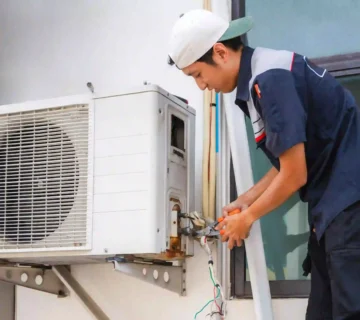
Professional thermostat installation can help ensure the wiring and system settings are configured correctly.
9. Heating Installation for New Construction and Home Additions
New construction and home additions require careful heating system planning.
Installing heating equipment after the walls and ceilings are finished can create unnecessary complications if the original design does not account for HVAC requirements.
For new homes, heating installation should be coordinated with the architectural plans, insulation specifications, electrical layout, and ventilation requirements.
The process may include:
- Heating load calculations.
- Equipment selection.
- Ductwork design.
- Supply and return register placement.
- Furnace or heat pump installation.
- Thermostat wiring.
- Electrical coordination.
- Venting requirements.
- System commissioning.
Room additions also require special attention.
Adding a new bedroom, office, or living area can change the heating demands of the property. Simply extending an existing duct without evaluating available system capacity may result in insufficient airflow.
A qualified HVAC professional can determine whether the existing equipment can support the additional space or whether a separate heating solution is more appropriate.
10. High-Efficiency Heating Installation
Energy efficiency is an important consideration when selecting a new heating system.
Modern heating equipment is available with different efficiency ratings and operating features. Choosing the right system can help homeowners manage energy use while maintaining comfortable indoor temperatures.
However, equipment efficiency should never be considered separately from installation quality.
A high-efficiency furnace installed with poorly designed ductwork may not deliver the expected performance. Similarly, an oversized heat pump may experience unnecessary cycling or other operating issues.
When comparing heating systems, consider:
Equipment efficiency: Review the manufacturer’s performance ratings and understand how they relate to expected operating conditions.
Correct sizing: Equipment should be selected using an appropriate heating load calculation.
Ductwork condition: Inspect existing ducts for leaks, restrictions, and inadequate insulation.
Thermostat controls: Use compatible controls to support appropriate temperature management.
Home insulation: Evaluate insulation and air leakage because heating demand is influenced by the building envelope.
Maintenance requirements: Understand the recommended service schedule and filter requirements.
In California, homeowners may also want to explore applicable energy-efficiency incentives and utility programs. Eligibility depends on the equipment, installation requirements, location, and current program availability.
11. Heating Installation for Older Homes
Older homes can present unique challenges during heating installation.
Some properties have outdated ductwork, older electrical systems, insufficient insulation, or equipment that no longer meets current household needs.
Before replacing the heating system, evaluate the property’s existing conditions.
For example, a home with limited duct space may benefit from a ductless heat pump system. Another property may be better suited to a modern central heating system if the existing ducts are in good condition.
Important considerations for older homes include:
- Electrical service capacity.
- Existing gas connections.
- Condition of ductwork.
- Available equipment installation space.
- Insulation and air sealing.
- Ventilation requirements.
- Existing building code considerations.
An equipment replacement should also account for any previous modifications to the property.
A professional inspection can help identify issues before the installation begins.
12. Heating Installation Costs and Budget Considerations
One of the first questions homeowners ask is how much a new heating system will cost.
The answer depends on the type of equipment, property size, installation complexity, and condition of the existing HVAC system.
A straightforward furnace replacement may cost considerably less than installing a completely new heat pump system with ductwork modifications.
Some of the main factors that influence heating installation costs include:
- Type of heating equipment.
- Heating system capacity.
- Equipment efficiency rating.
- Brand and model.
- Ductwork installation or replacement.
- Electrical upgrades.
- Gas piping modifications.
- Thermostat selection.
- Venting requirements.
- Permit and inspection fees.
- Labor and installation complexity.
When requesting estimates, ask for a detailed breakdown of the equipment, labor, installation materials, and additional work.
Make sure the contractor explains whether the estimate includes removal and disposal of the existing system, thermostat installation, duct modifications, permits, and startup testing.
It is also important to compare systems based on their overall suitability rather than selecting the lowest-priced option.
A properly sized system that meets your home’s needs may provide better long-term value than an inexpensive unit that is unsuitable for the property.
13. How to Choose the Right Heating Installation Contractor
Selecting a qualified HVAC contractor is an important step toward achieving a successful installation.
Heating equipment involves electrical components, fuel connections, airflow systems, and safety controls. Installation should be performed by professionals with the appropriate qualifications and experience.
Before hiring a heating installation company, consider these points:
Verify licensing: Check the contractor’s license through the relevant state licensing authority. California homeowners can verify HVAC contractor credentials through the Contractors State License Board.
Review experience: Ask about previous furnace installations, heat pump projects, and other heating services.
Request a written estimate: Make sure the estimate explains the equipment, installation scope, and any additional work.
Ask about sizing: A reputable contractor should evaluate your home’s heating requirements rather than recommending equipment based only on the size of the existing unit.
Check insurance: Request information about appropriate liability insurance and workers’ compensation coverage.
Discuss permits: Confirm which permits are required and who will obtain them.
Review warranties: Understand the manufacturer’s equipment warranty and any separate workmanship warranty.
Ask about communication: Make sure you understand the installation schedule, preparation requirements, and who to contact with questions.
A dependable contractor should be willing to explain the available options without pressuring you into purchasing equipment that may not suit your home.
14. Understanding Heating Installation Permits and Safety Requirements
Depending on the type of installation, heating system replacement and new equipment installation may require building or mechanical permits.
Permit requirements vary by jurisdiction and project scope.
For example, replacing a furnace may involve different requirements from installing a new duct system, relocating equipment, modifying gas piping, or adding electrical circuits.
Before starting work, homeowners should confirm the applicable requirements with their local building department.
Professional heating installation should also follow the manufacturer’s instructions and relevant safety standards.
Important safety considerations include:
- Proper electrical connections.
- Safe gas piping and leak testing where applicable.
- Correct exhaust venting.
- Adequate combustion air for applicable equipment.
- Carbon monoxide safety.
- Appropriate equipment clearances.
- Proper refrigerant handling for heat pumps.
- Correct condensate drainage.
- Final operational testing.
Never attempt to modify gas connections, combustion systems, or electrical equipment without the necessary qualifications.
Proper installation and inspection help protect both the household and the long-term performance of the heating system.
15. Why Professional Heating Installation Matters
Buying high-quality heating equipment is only one part of creating a comfortable home.
The installation process determines how effectively the equipment operates within the property’s existing conditions.
Professional installation helps address important details such as equipment sizing, airflow, duct connections, electrical requirements, safety controls, and thermostat configuration.
Incorrect installation can contribute to uneven temperatures, excessive equipment cycling, reduced efficiency, and premature component wear.
A professional installer should also explain how to operate the new system, how frequently to check the air filter, and when routine maintenance should be scheduled.
Before considering the project complete, ask for a walkthrough of the equipment and its basic operating controls.
You should understand where the filter is located, how to adjust the thermostat, and whom to contact if the system develops an issue.
16. Heating System Maintenance After Installation
A new heating system still requires routine care.
Although maintenance cannot prevent every possible breakdown, it can help identify developing issues and support reliable operation.
Homeowners should follow the manufacturer’s maintenance recommendations and arrange professional HVAC inspections at appropriate intervals.
Some basic heating maintenance practices include:
- Checking air filters regularly.
- Replacing filters according to their condition and manufacturer recommendations.
- Keeping supply and return vents unobstructed.
- Maintaining adequate clearance around equipment.
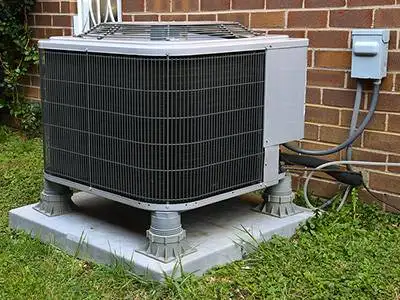
- Keeping the outdoor heat pump unit free from debris.
- Checking the thermostat settings.
- Scheduling professional system inspections.
- Addressing unusual noises or performance changes promptly.
For gas furnaces, professional maintenance should include appropriate combustion and safety checks.
For heat pumps, inspections may include refrigerant system evaluation, electrical connections, airflow, and outdoor coil condition.
Regular maintenance helps homeowners understand the condition of their equipment and may reduce the likelihood of avoidable operating problems.
Frequently Asked Questions About Heating Installation
1. What is the best heating system for a home?
The best heating system depends on the property’s size, insulation, existing ductwork, climate, energy costs, and household preferences. Gas furnaces, electric furnaces, heat pumps, and ductless mini-split systems each offer different advantages. A professional heating assessment can help determine which option is suitable.
2. How do I know if I need a new heating system?
Frequent breakdowns, inconsistent temperatures, unusual noises, increasing repair expenses, and poor heating performance may indicate that replacement should be considered. An HVAC technician can inspect the system and explain whether repair or replacement makes more sense.
3. Is a heat pump better than a furnace?
Neither system is automatically better for every property. Heat pumps provide both heating and cooling and can be highly efficient under suitable operating conditions. Furnaces provide heat through combustion or electrical resistance. The right choice depends on the home’s requirements, energy prices, available utilities, and climate.
4. How long does heating installation take?
The installation timeline depends on the equipment and project scope. A straightforward replacement may take less time than a project involving new ductwork, electrical modifications, gas piping, or equipment relocation. Your contractor should provide an estimated schedule before work begins.
5. How much does a new heating system cost?
Heating installation costs vary according to the equipment type, capacity, efficiency, labor, ductwork, and other installation requirements. Request a detailed written estimate based on an inspection of your property rather than relying on a general price.
6. Can I install a heat pump if my home already has a furnace?
In many cases, yes. A qualified HVAC contractor can evaluate whether a heat pump can replace the existing furnace or whether a dual-fuel arrangement is appropriate. The existing ductwork, electrical service, and heating requirements should be reviewed.
7. Does a new heating system require new ductwork?
Not necessarily. If the existing ductwork is appropriately sized, properly sealed, and in good condition, it may be suitable for the new equipment. However, damaged, undersized, or poorly designed ducts may need repair or replacement.
8. Are high-efficiency heating systems worth the investment?
High-efficiency systems may reduce energy consumption compared with less efficient equipment, depending on usage and operating conditions. Consider the purchase price, utility rates, efficiency ratings, expected usage, and available incentives before deciding.
9. How often should a heating system be serviced?
Follow the manufacturer’s maintenance recommendations. Many homeowners schedule professional HVAC maintenance annually, often before the main heating season. Additional inspections may be recommended depending on equipment type and operating conditions.
10. Why is proper heating system sizing important?
Correct sizing helps the equipment meet the property’s heating demand without unnecessary cycling or inadequate heating. HVAC professionals can use a recognized heating load calculation method, such as ACCA Manual J, to determine the appropriate equipment capacity.
Schedule Your Professional Heating Installation
A reliable heating system is an important part of maintaining a comfortable home. Whether you are replacing an older furnace, installing an energy-efficient heat pump, upgrading your ductwork, or adding heating to a new living space, careful planning can make the process much easier.
The right heating installation begins with understanding your property’s needs and choosing equipment that matches those requirements. Proper sizing, professional installation, safe connections, and final system testing all contribute to dependable performance.
If your current heating system is outdated or no longer provides the comfort you expect, consider speaking with a qualified HVAC professional about your options.
From furnace installation and heat pump replacement to ductless heating, thermostat upgrades, and complete heating system installations, professional guidance can help you make a confident decision.
Investing in the right heating solution today can help create a more comfortable indoor environment for your household for years to come.