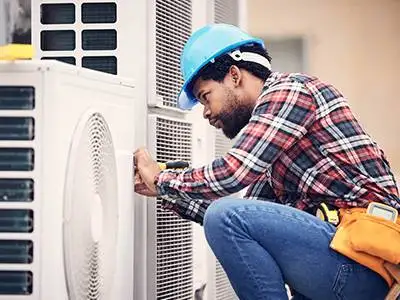
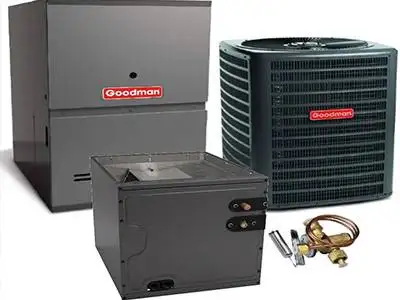
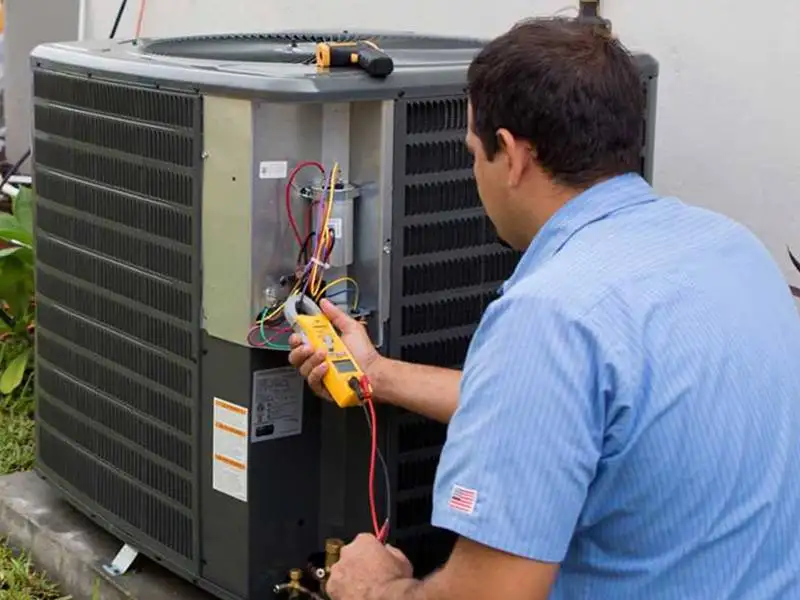
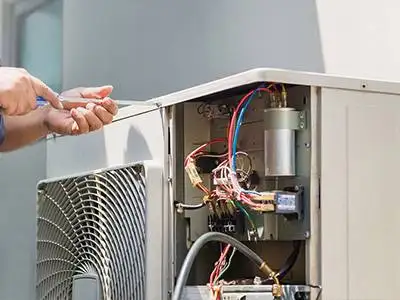

A comfortable home starts with a heating system that works properly when you need it. Although Irvine, California, is known for its generally mild weather, winter evenings and colder mornings can still make indoor heating an important part of everyday comfort. Whether you are building a new home, replacing an outdated furnace, or upgrading to a more energy-efficient heating system, choosing the right equipment and professional installation service can make a noticeable difference.
Homeowners searching for heating installation services in Irvine, CA, often have several questions. Which heating system is best for their property? Should they choose a traditional furnace or a modern heat pump? How much does heating installation cost? What should they expect during the installation process?
The answers depend on your home’s size, insulation, existing ductwork, comfort preferences, and energy requirements. A heating system should not simply be selected based on its purchase price. Proper sizing, professional installation, equipment quality, and ongoing maintenance all contribute to its performance and reliability.
Professional heating installation helps ensure that your equipment is selected and installed according to the manufacturer’s specifications and applicable building requirements. From residential furnace installation to heat pump replacement and ductwork improvements, the right heating solution can help create a comfortable indoor environment throughout the colder months.
In this guide, we will explore the different heating installation services available in Irvine, California, explain how various systems work, and discuss what homeowners should consider before investing in a new heating system.
Why Professional Heating Installation Matters in Irvine, CA
Installing a heating system is an important home improvement project. Even high-quality equipment may not deliver the expected performance if it is incorrectly sized or improperly installed.
Irvine homes come in different sizes and architectural styles. Some properties have traditional ducted HVAC systems, while others may benefit from ductless heating or newer heat pump technology. Selecting equipment that matches the property’s heating requirements is essential.
Professional heating installation offers several advantages.
Proper System Sizing
A heating system needs to produce enough heat to maintain comfortable indoor temperatures without being unnecessarily oversized. Contractors should evaluate factors such as square footage, insulation, windows, ceiling height, air leakage, and local climate conditions before recommending equipment.
Improved Energy Efficiency
Modern heating systems offer different efficiency ratings and operating features. Choosing suitable equipment and installing it correctly can help reduce unnecessary energy consumption.
Reliable Heating Performance
Correct installation includes electrical connections, refrigerant or gas-related work where applicable, airflow adjustments, safety checks, and equipment commissioning. These steps help support consistent heating performance.
Better Indoor Comfort
An appropriately selected heating system can help maintain more consistent temperatures throughout your home. Proper airflow and thermostat placement also contribute to indoor comfort.
Manufacturer Warranty Considerations
Many heating equipment manufacturers require installation and maintenance to follow specific guidelines. Professional installation and accurate documentation can help homeowners meet applicable warranty requirements.
When planning a new heating system in Irvine, it is worth working with a qualified HVAC professional who understands different heating technologies and local installation requirements.
Our Heating Installation Services in Irvine, CA
Every property has different heating needs. A homeowner replacing an older furnace may require a completely different solution from someone installing a heating system in a newly constructed property.
Understanding the available services makes it easier to choose the right solution.
1. Residential Heating System Installation
Residential heating installation involves selecting and installing a heating system designed to provide reliable indoor comfort throughout your home.
Whether you are upgrading an existing HVAC system or installing heating equipment for the first time, the process should begin with an evaluation of your property.
A professional HVAC technician will consider your home’s size, existing ductwork, insulation, electrical capacity, and heating preferences. Based on these factors, they can recommend a suitable heating system.
Residential heating installation services may include:
- Evaluating your current heating requirements.
- Recommending suitable heating equipment.
- Calculating the appropriate system capacity.
- Inspecting existing ductwork and ventilation.
- Installing the selected heating unit.
- Connecting electrical and control components.
- Configuring the thermostat.
- Testing airflow and heating performance.
- Completing the final system inspection.
A properly installed heating system can help maintain a comfortable environment in bedrooms, living rooms, kitchens, and other frequently used spaces.
For Irvine homeowners, choosing the right equipment also means considering how often heating is needed. Since the area generally experiences mild winters, a high-efficiency heat pump may be worth comparing with a conventional gas furnace.
2. Furnace Installation Services
A furnace is one of the most familiar residential heating systems. It produces heat and distributes warm air throughout the home using a blower and ductwork.
Gas furnaces remain a common choice in many California homes, particularly properties that already have compatible gas connections and ducted HVAC systems.
If your existing furnace is old, unreliable, or struggling to heat your home evenly, installing a newer model may be a worthwhile investment.
Professional furnace installation typically involves inspecting the existing system, checking the gas and electrical connections, evaluating venting requirements, and determining the correct furnace capacity.
Important parts of the installation process include:
- Removing the old furnace when replacement is required.
- Inspecting the furnace location.
- Checking existing gas connections and ventilation.
- Evaluating ductwork compatibility.
- Installing the new furnace.
- Connecting electrical and thermostat controls.
- Testing ignition and heating operation.
- Verifying airflow and safety controls.
Modern furnaces are available in different efficiency levels and configurations. Some models offer variable-speed blower motors, two-stage heating, and advanced temperature controls.
These features may improve comfort and operating efficiency depending on the home and installation conditions.
Before choosing a gas furnace, homeowners should also consider local building requirements, applicable energy regulations, and the long-term costs associated with gas heating.
3. Heat Pump Installation
Heat pumps are becoming an increasingly popular heating and cooling solution for California homeowners.
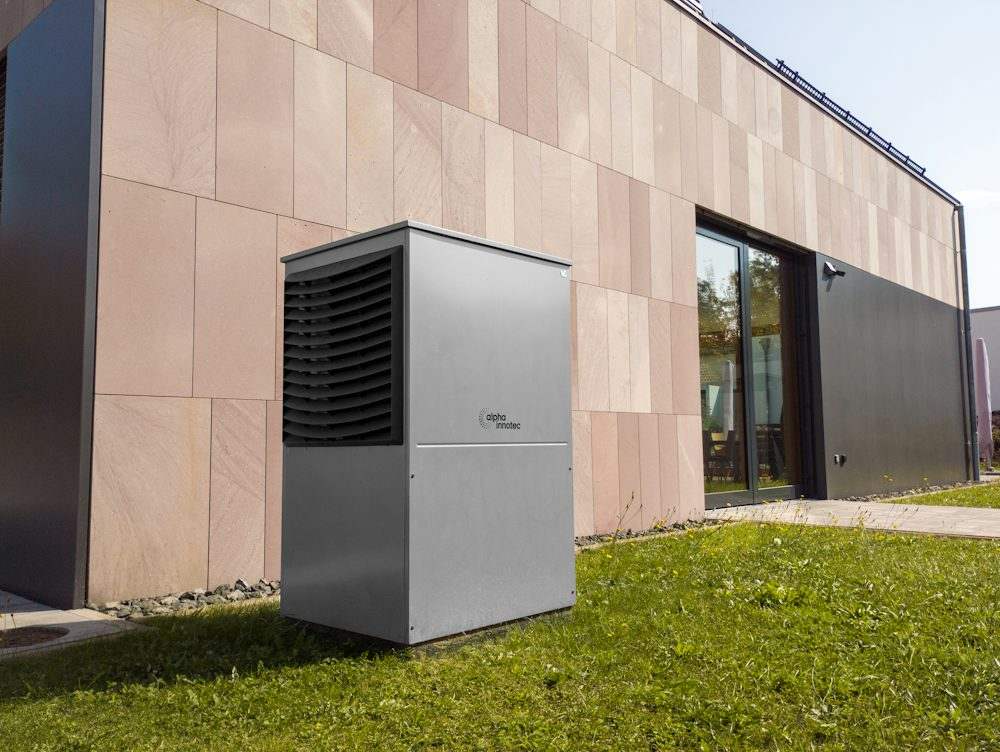
Unlike traditional furnaces, heat pumps do not generate heat by burning fuel. Instead, they transfer heat from one location to another using a refrigeration cycle.
During colder weather, a heat pump extracts available heat energy from outdoor air and transfers it indoors. During warmer weather, the system can reverse its operation to provide air conditioning.
This dual-purpose functionality makes heat pumps particularly useful in climates such as Irvine, where homeowners need both heating and cooling throughout the year.
Professional heat pump installation may involve:
- Evaluating the home’s heating and cooling requirements.
- Selecting the correct heat pump capacity.
- Inspecting electrical service and available space.
- Installing the indoor and outdoor equipment.
- Connecting refrigerant lines.
- Completing electrical connections.
- Installing or configuring the thermostat.
- Testing system operation in heating and cooling modes.
Homeowners should compare the heating performance of different heat pump models, particularly their efficiency at lower outdoor temperatures.
A properly sized heat pump can provide efficient heating during many Southern California winter conditions while also functioning as an air conditioning system during summer.
For homeowners looking for energy-efficient heating installation in Irvine, a heat pump is one of the most important options to consider.
4. Ductless Mini-Split Heating Installation
Not every home has existing ductwork suitable for a traditional central heating system. In some situations, installing new ducts may be expensive or impractical.
A ductless mini-split heating system offers an alternative.
These systems use an outdoor unit connected to one or more indoor air handlers. Each indoor unit provides heating and cooling to a specific room or zone.
Ductless mini-split installation can be especially useful for:
- Home additions.
- Converted garages.
- Guest rooms.
- Home offices.
- Older properties without central ductwork.
- Rooms that consistently feel too cold.
- Properties where individual temperature control is preferred.
One advantage of ductless heating is that different zones can often be controlled independently. This allows occupants to adjust temperatures based on how individual rooms are used.
The installation process includes evaluating the room layout, selecting suitable indoor unit locations, mounting the equipment, connecting refrigerant lines, completing electrical work, and testing the system.
Proper positioning is important. Indoor units should be installed where they can distribute air effectively without creating uncomfortable direct airflow.
A qualified HVAC technician can determine whether a single-zone or multi-zone mini-split system is appropriate for your home.
5. Central Heating System Installation
Central heating systems distribute warm air through a network of ducts connected to different rooms throughout the property.
For homes that already have suitable ductwork, installing a new central heating system can be an effective way to improve overall indoor comfort.
Central heating installation may involve a gas furnace, a central heat pump, or another compatible HVAC configuration.
Before installation, the contractor should inspect the existing ducts to identify leaks, restrictions, damaged sections, and airflow concerns.
A central heating installation project may include:
- Inspecting existing ductwork.
- Determining the correct heating capacity.
- Installing the central heating equipment.
- Connecting supply and return air ducts.
- Checking air filters and ventilation.
- Installing compatible thermostat controls.
- Balancing airflow where needed.
- Testing the system throughout the home.
One of the main benefits of central heating is the ability to distribute warm air across multiple rooms through a connected system.
However, the quality of the ductwork has a major influence on performance. Poorly sealed ducts can allow conditioned air to escape, increasing energy waste and reducing comfort.
For this reason, duct inspection should be part of the planning process.
6. Heating System Replacement
Heating equipment does not last forever. As a furnace or heat pump ages, components may begin to wear out, efficiency may decline, and repair requirements can become more frequent.
If your existing heating system is no longer meeting your needs, replacing it may be more practical than continuing to invest in repeated repairs.
Signs that you may need heating system replacement include:
- Frequent heating system breakdowns.
- Uneven temperatures between rooms.
- Unusual operating noises.
- Increasing energy consumption.
- Difficulty maintaining the thermostat setting.
- Equipment that has reached the end of its expected service life.
- Repeated problems with major system components.
Heating replacement begins with evaluating the existing equipment and identifying the reasons it is no longer performing properly.
A contractor should also determine whether the current system was correctly sized in the first place. Simply installing another unit with the same capacity may not solve existing comfort problems.
Depending on your home’s configuration, replacement options may include a modern gas furnace, a high-efficiency heat pump, or a ductless mini-split system.
For Irvine homeowners, replacement is also an opportunity to compare newer heating technologies and potentially reduce dependence on older equipment.
7. Energy-Efficient Heating Installation
Energy efficiency is an important consideration when choosing a new heating system. Homeowners want equipment that maintains a comfortable temperature without using more energy than necessary.
Modern heating systems offer a variety of technologies designed to improve performance.
When selecting energy-efficient heating equipment, consider the following:
High-Efficiency Heat Pumps
Heat pumps can provide efficient heating by transferring heat rather than producing it through combustion. Their performance depends on outdoor conditions, equipment selection, and proper installation.
Variable-Speed Motors
Some heating systems feature variable-speed blower motors that adjust airflow based on operating requirements. This can help improve temperature consistency and comfort.
Smart Thermostats
Compatible smart thermostats allow homeowners to create schedules, adjust temperatures remotely, and monitor heating operation.
Proper Equipment Sizing
An oversized heating system may cycle on and off more frequently than necessary, while an undersized system may struggle to maintain the desired temperature.
Sealed and Insulated Ductwork
Leaky or poorly insulated ducts can reduce heating efficiency. Correcting these issues can help deliver more conditioned air to the rooms where it is needed.
Energy-efficient heating installation is not just about buying equipment with a high efficiency rating. The entire system, including ductwork, controls, and installation quality, should work together.
8. Heating System Installation for New Construction
New construction projects provide an opportunity to plan the heating system before the property is completed.
Unlike replacement projects, new construction installation may involve designing the heating layout, selecting equipment, planning duct routes, and coordinating with other construction professionals.
The goal is to create a heating system that suits the building’s design and expected occupancy.
New construction heating installation services can include:
- Reviewing architectural plans.
- Calculating heating and cooling loads.
- Selecting appropriate HVAC equipment.
- Planning ductwork and ventilation.
- Coordinating electrical requirements.
- Installing heating equipment.
- Connecting thermostats and controls.
- Testing the completed system.
Planning the heating system early helps reduce installation conflicts and makes it easier to achieve appropriate equipment placement.
Homeowners and builders in Irvine should also consider current California energy efficiency requirements and applicable local permitting requirements before beginning installation.
9. Thermostat Installation and Heating Controls
A thermostat plays an important role in controlling your home’s heating system. It measures indoor temperature and communicates with the HVAC equipment to maintain the selected setting.
An outdated or incorrectly configured thermostat may make it difficult to manage indoor comfort efficiently.
Installing a compatible thermostat can provide better control over your heating system.
Thermostat services may include:
- Removing an outdated thermostat.
- Installing a compatible replacement.
- Connecting thermostat wiring.
- Configuring heating and cooling settings.
- Setting up programmable schedules.
- Connecting supported smart home features.
- Testing communication with the HVAC equipment.
Smart thermostats can be particularly useful for homeowners who want to adjust their home’s temperature while away.
However, not every thermostat works with every heating system. Compatibility should be checked before purchasing new equipment.
10. Heating Ductwork Installation and Modification
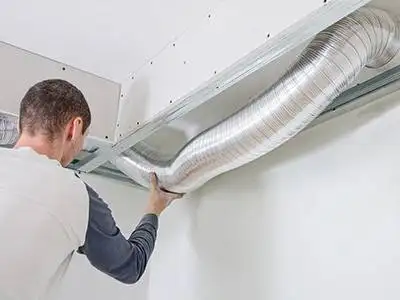
Ductwork is responsible for transporting heated air throughout a home. Even a high-quality heating unit may struggle to provide consistent comfort if the duct system is poorly designed or damaged.
Some properties require new ductwork when installing a central heating system. Others may need modifications to accommodate replacement equipment or improve airflow.
Ductwork services may include:
- Installing new supply and return ducts.
- Replacing damaged duct sections.
- Modifying existing duct layouts.
- Sealing duct connections.
- Improving airflow distribution.
- Adding or relocating air registers.
- Inspecting duct insulation.
Proper duct sizing is important because ducts that are too small or too large can affect airflow and overall system performance.
For homes with rooms that consistently feel warmer or colder than others, a duct inspection may help identify the problem.
Ductwork improvements can support better heating distribution and help your new HVAC system operate as intended.
11. Heating System Inspection Before Installation
Before installing new heating equipment, inspecting the existing HVAC setup is an important step.
A pre-installation inspection helps identify potential issues that could affect the new system.
For example, a home may have damaged ductwork, insufficient electrical capacity, poor ventilation, or an unsuitable location for the new equipment.
A professional assessment may include:
- Evaluating the existing heating equipment.
- Inspecting ductwork and airflow.
- Reviewing electrical connections.
- Checking equipment placement.
- Assessing ventilation requirements.
- Reviewing thermostat compatibility.
- Identifying potential installation obstacles.
This assessment helps homeowners understand what the project involves before installation begins.
It can also reduce the possibility of unexpected work during the project.
How Much Does Heating Installation Cost in Irvine, CA?
The cost of heating installation in Irvine varies depending on the type of system, property size, installation complexity, and equipment requirements.
A small ductless mini-split installation will have different requirements from replacing a complete central heating system in a large home.
Several factors influence the final installation cost.
Type of Heating System
Gas furnaces, heat pumps, ductless mini-splits, and central heating systems have different equipment and installation requirements.
System Capacity
Larger homes may require higher-capacity equipment or multiple indoor units. Proper capacity should be determined through a professional load calculation rather than square footage alone.
Existing Ductwork
If your home already has suitable ductwork, installation may be simpler. New ducts, repairs, or modifications can increase project costs.
Electrical and Gas Connections
Some installations require electrical upgrades, new circuits, gas connection work, or ventilation modifications.
Equipment Efficiency
High-efficiency equipment and advanced operating features may have higher upfront costs but can offer long-term energy savings depending on usage and utility rates.
Permits and Additional Work
Applicable permits, inspections, disposal, and other project requirements may also influence the total cost.
The best approach is to request a detailed estimate after a professional assessment. The estimate should identify the equipment, installation scope, preparation requirements, and any additional work.
How to Choose the Right Heating System for Your Irvine Home
Choosing a heating system should involve more than comparing prices. Your home’s design, heating habits, and existing HVAC infrastructure all influence which option makes sense.
Here are some important considerations.
Evaluate Your Existing HVAC Setup
If your home already has central ductwork, a furnace replacement or central heat pump installation may be practical. If there is no ductwork, a ductless system may be worth considering.
Consider Irvine’s Climate
Irvine generally experiences relatively mild winters compared with colder parts of the country. Heat pumps can therefore be an attractive option for many local properties.
Think About Long-Term Energy Costs
Compare the efficiency ratings of different systems and consider available utility rates. The cheapest equipment is not necessarily the least expensive option over its entire service life.
Check Equipment Compatibility
Make sure the proposed heating system is compatible with your electrical service, ductwork, thermostat, and available installation space.
Work With a Qualified HVAC Contractor
A reliable contractor should explain the equipment options, provide a clear estimate, discuss installation requirements, and answer questions about system operation.
Why Regular Heating Maintenance Is Important After Installation
Installing a new heating system is only the beginning. Regular maintenance helps keep the equipment operating safely and efficiently.
Although newer systems may require fewer repairs initially, routine inspections remain important.
Heating maintenance may include:
- Checking and replacing air filters.
- Inspecting electrical connections.
- Testing thermostat operation.
- Checking blower motor performance.
- Inspecting heat exchangers where applicable.
- Evaluating system airflow.
- Checking condensate drainage on applicable systems.
- Inspecting refrigerant-related components on heat pumps.
- Verifying heating operation and safety controls.
Homeowners should follow the manufacturer’s recommended maintenance schedule.
It is also helpful to keep the area around indoor and outdoor equipment clear. Air filters should be replaced or cleaned according to the manufacturer’s instructions and household conditions.
Routine maintenance can help identify minor problems before they become more expensive repairs.
What to Expect During a Professional Heating Installation
Understanding the installation process can make your home improvement project easier to plan.
Although the exact process varies by system, most heating installation projects follow several general stages.
Step 1: Initial Consultation
The contractor discusses your heating requirements, existing equipment, comfort concerns, and project expectations.
Step 2: Home Assessment
The property is evaluated to determine heating capacity, equipment compatibility, ductwork condition, and installation requirements.
Step 3: Equipment Selection
Suitable heating systems are compared based on efficiency, features, installation conditions, and budget.
Step 4: Preparation
The installation area is prepared, existing equipment is removed if necessary, and required connections are checked.
Step 5: Equipment Installation
The new furnace, heat pump, or ductless system is installed according to manufacturer instructions and applicable codes.
Step 6: Testing and Commissioning
The contractor tests system operation, checks airflow, verifies controls, and confirms that the equipment is operating as intended.
Step 7: Homeowner Guidance
The technician explains thermostat operation, filter replacement, basic maintenance, and important equipment information.
A clear installation process helps homeowners understand what is happening at each stage and what to expect after the work is completed.
Frequently Asked Questions About Heating Installation in Irvine, CA
1. What is the best heating system for homes in Irvine, CA?
A heat pump is worth considering for many Irvine homes because it provides both heating and cooling. However, the best system depends on your property’s layout, existing ductwork, energy requirements, and budget.
2. How long does heating installation take?
The installation time depends on the equipment and project complexity. A straightforward equipment replacement may take less time than installing a completely new heating system with additional ductwork or electrical modifications.
3. When should I replace my heating system?
Consider replacement if your equipment requires frequent repairs, struggles to maintain comfortable temperatures, has become inefficient, or is approaching the end of its expected service life. A professional inspection can help determine whether replacement is necessary.
4. Are heat pumps suitable for Irvine’s climate?
Yes. Heat pumps are generally well suited to Irvine’s mild climate because they can efficiently provide heating during many local winter conditions while also offering cooling during warmer months.
5. Can I install a heating system without existing ductwork?
Yes. Ductless mini-split heating systems can provide heating without requiring a traditional network of ducts. They are useful for room additions, older properties, and individual temperature zones.
6. How do I know what size heating system my home needs?
A qualified HVAC professional should perform a heating load calculation. This considers square footage, insulation, windows, ceiling height, air leakage, and other factors to determine the appropriate equipment capacity.
7. Does a new heating system help reduce energy bills?
A newer, properly sized, and correctly installed heating system may reduce energy consumption compared with an older inefficient unit. Actual savings depend on equipment efficiency, usage, electricity or gas rates, and home insulation.
8. Do I need a permit for heating installation in Irvine?
Depending on the type and scope of work, a permit may be required. Homeowners should confirm applicable requirements with the City of Irvine and ensure the contractor follows relevant California building and energy regulations.
9. How often should a heating system be serviced?
Most heating systems benefit from professional inspection and maintenance at least once a year, although the manufacturer’s recommendations and equipment type should guide the schedule.
10. Can I replace my gas furnace with a heat pump?
In many homes, replacing a gas furnace with a heat pump is possible. However, the contractor must