
A furnace blowing cold air may be circulating room-temperature air between heating cycles, starting up normally or experiencing a problem that interrupts heat production. The important distinction is whether the air warms during a normal heating cycle and the home reaches the thermostat setting.
For an Irvine homeowner, a few observations can help explain the issue. They cannot confirm that a gas, electrical or safety-control component is working correctly.
Check the thermostat first
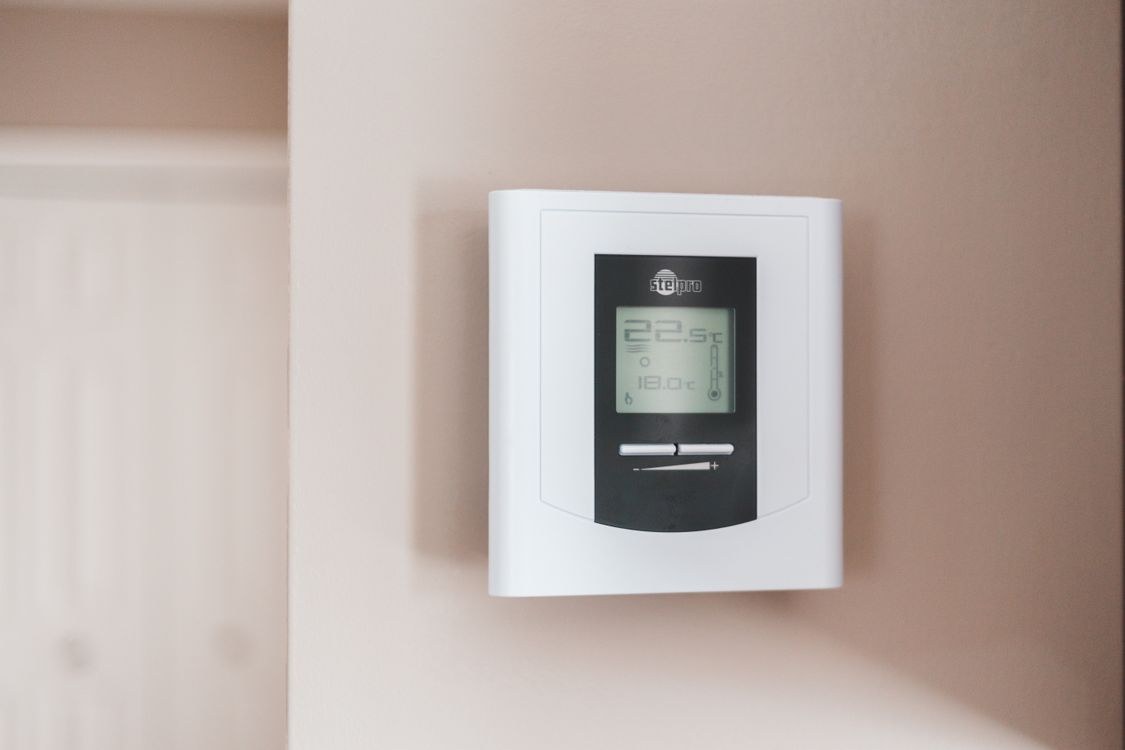
Confirm the thermostat is set to heat, with a target temperature above the room temperature. Look for a schedule or recent setting change that could explain why heating is not being requested.
Check the fan setting. With the fan set to “On,” the blower may continue moving room-temperature air between heating cycles. “Auto” generally ties fan operation to the equipment’s normal cycle. Review the instructions for your thermostat and furnace rather than changing unfamiliar advanced settings.
If the furnace continues blowing cold air during a call for heat, heating repair can establish whether the issue is a setting, airflow restriction or equipment fault.
Separate normal startup from persistent loss of heat
Some furnaces have a startup delay while the heating components warm. Consult the model’s instructions. A brief change at startup differs from a blower that keeps running while the home gets colder.
Note whether the burners appear to start and then stop, using only what is visible without opening panels. Record an error message displayed on the thermostat. Leave combustion components, wiring and internal controls to a technician.
Restricted airflow can affect furnace operation
A clogged filter can restrict airflow and contribute to overheating, causing a safety control to interrupt heat while the blower continues running. Inspect an accessible filter and replace it according to the equipment instructions if needed. Keep return grilles clear of furniture.
Do not bypass a safety switch or repeatedly restart a furnace that shuts itself down. A shutdown needs an explanation, not an override.
If some rooms are warm and others are not, tell the technician which rooms are affected. ARA Heating & Air Conditioning also offers HVAC repair, including investigation of ductwork and system airflow.
What a professional assessment should clarify
Ask what is preventing heat production, whether an airflow problem contributed and which repair options address the cause. Share the service history and when the behavior began. Ask how the repair will be checked before the job is completed.
ARA Air explains the findings, recommended options and price before work begins. A cold-air symptom alone cannot establish a repair price or show that replacement is necessary.
If you smell gas or suspect a gas leak, leave immediately and contact your gas utility from a safe location; call 911 for immediate danger. If a carbon monoxide alarm sounds, move outside to fresh air and call emergency services. Handle those situations before arranging a routine service visit.
Frequently asked questions
Can the fan setting cause cool airflow?
Yes. A continuously running fan can circulate room-temperature air when the furnace is not actively heating.
Is cold air at startup always a fault?
No. Some models have a normal warm-up period. Persistent cold airflow or failure to reach the setting needs investigation.
Can I bypass a switch to restore heat?
No. Safety controls must remain functional. Have the reason for a shutdown assessed.
Does this mean I need a new furnace?
Not necessarily. Diagnosis and the condition of the equipment should determine whether repair or replacement is appropriate.
Explain what happens during the heating cycle
Tell ARA Air whether the furnace starts, shuts down or blows cool air continuously. Send your heating concern or call 949-468-8380 to arrange an assessment for your Irvine or Orange County home and review the repair options before approving work. You can also email [email protected] with the equipment model and what you have observed.