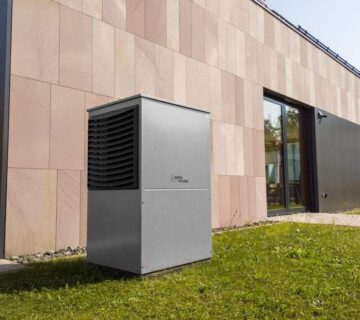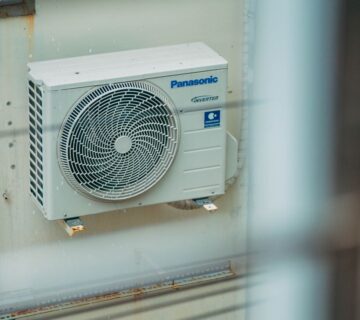
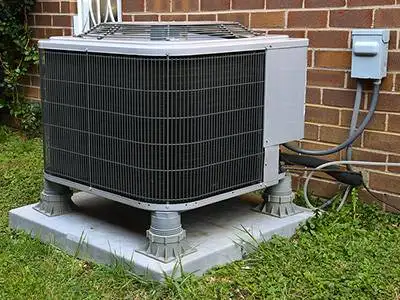

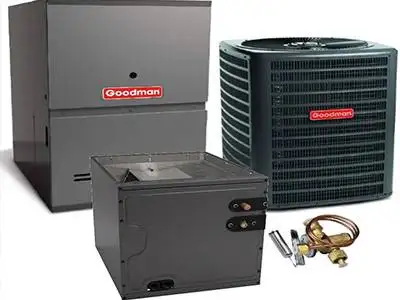
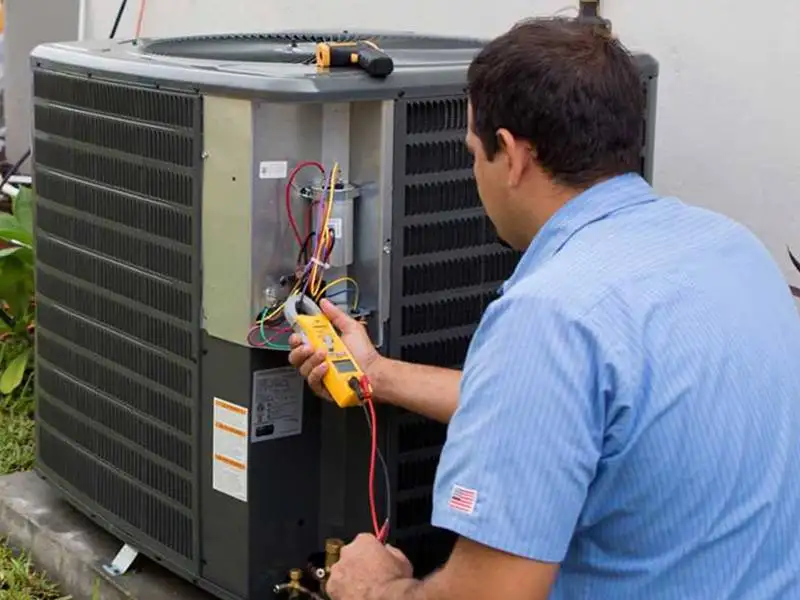
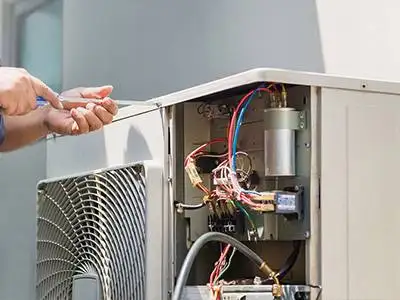

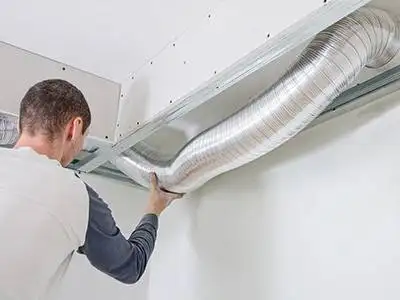
Choosing the right size AC unit for your home in Irvine requires a professional load calculation (Manual J) that considers your home’s square footage, insulation, windows, ceiling height, ductwork, and local climate, not just a simple square-foot rule. The correct size ensures comfort, efficiency, and longer system life, while an oversized or undersized unit wastes energy and reduces cooling performance.
Understanding AC Size: Tons and BTUs
Air conditioner size is measured in tons and BTUs (British Thermal Units).
- 1 ton equals 12,000 BTU/hr of cooling capacity
- AC units typically start at 1.5 tons and increase in half-ton increments
- Most homes need between 1.5 to 5 tons, rarely more than 5 tons
- A general estimate is 1 ton per 750–1,000 sq ft, but this varies by home
For accurate sizing, work with an HVAC professional to perform a proper load assessment.
Why Professional Load Calculation Matters
The right AC size depends on many factors beyond square footage. A professional load calculation (Manual J) assesses your home’s unique thermal characteristics:
- Total square footage and room layout
- Ceiling height and room volume
- Insulation quality (R-value) and age
- Number of windows, size, and sun exposure (south/west facing)
- Shade from trees or neighboring buildings
- Ductwork condition and airflow efficiency
- Heat-generating appliances (kitchen, electronics)
- Local climate conditions (Irvine’s coastal heat and humidity)
This gives you an accurate calculation for the AC size your home actually needs.
Factors That Affect AC Size in Irvine Homes
Several Irvine-specific factors influence how much cooling capacity you need.
Geographic Region and Climate
Irvine’s climate affects sizing. Hot summers require more cooling power, coastal humidity increases cooling demand, and temperature swings mean the AC must handle both heat and moisture.
Insulation Quality
Older or poorly insulated homes need more capacity. Modern insulation (R-13 or higher) reduces cooling load, while older homes may need a larger unit due to heat loss. Attic insulation is especially important in Irvine.
Window Efficiency
Windows significantly impact cooling needs. Single-pane windows require more cooling, while double-pane or energy-efficient windows reduce cooling load. South/west-facing windows get more sun and heat.
Ductwork Condition
Ducts affect system performance. Leaky ducts waste cooled air and reduce efficiency. Old ductwork (35–55+ years) may need replacement. Properly sealed and insulated ducts improve cooling.
Ceiling Height and Layout
Room volume impacts cooling demand. High ceilings increase the volume to cool, open floor plans distribute air differently than closed rooms, and multi-story homes may need zoning or multiple units.
Common AC Size Guidelines by Square Footage
While not exact, these ballparks help you understand typical sizing:
- 450–550 sq ft typically needs 1 ton (12,000 BTUs)
- 550–700 sq ft typically needs 1.5 tons (14,000 BTUs)
- 700–1,000 sq ft typically needs 1.5 tons (18,000 BTUs)
- 1,000–1,200 sq ft typically needs 2 tons (21,000 BTUs)
- 1,200–1,400 sq ft typically needs 2 tons (24,000 BTUs)
- 1,500–2,000 sq ft typically needs 2.5 tons (30,000 BTUs)
- 2,000–2,500 sq ft typically needs 3 tons (34,000 BTUs)
- 2,500–3,000 sq ft typically needs 3–3.5 tons (36,000–42,000 BTUs)
Note: These are rough estimates. Your actual needs depend on insulation, windows, climate, and ductwork.
Why Sizing Matters: Oversized vs Undersized AC
Getting the wrong size AC causes real problems.
Oversized AC Unit Problems
An AC that’s too large for your home short cycles (turns on and off too frequently), has poor humidity control (doesn’t run long enough to remove moisture), causes higher energy bills from frequent startup cycles, reduces lifespan due to stress on components, and creates uneven cooling (some rooms stay hot or cold).
Undersized AC Unit Problems
An AC that’s too small for your home runs constantly without reaching the desired temperature, causes higher energy bills from continuous operation, provides poor comfort during hot Irvine weather, strains the compressor that may fail prematurely, and delivers inadequate cooling on peak summer days.
Steps to Choose the Right AC Size
Follow this process to select the right AC unit for your Irvine home.
Step 1: Choose the AC Type That Fits Your Home
Decide which system type works best:
- Central AC for homes with existing ductwork
- Ductless Mini-Split for homes without ducts or for room additions
- Heat Pump for heating and cooling in one system
- Multi-Zone Systems for larger homes with different cooling needs
Step 2: Request a Manual J Calculation
Ask your HVAC company to perform a professional load calculation. This is the only accurate way to determine AC size; it considers all home and environmental factors, and it prevents oversizing or undersizing mistakes.
Step 3: Get a Ballpark Estimate with a Size Chart
Use a size chart for rough guidance, but don’t rely on it alone. Match your square footage to the guidelines above, adjust for insulation, windows, and climate, and use this as a starting point, not a final decision.
Step 4: Review Efficiency Ratings for Your AC Size
Once you know the size, check efficiency ratings. SEER2 (Seasonal Energy Efficiency Ratio) measures energy efficiency, EER2 (Energy Efficiency Ratio) measures performance at peak load, and higher ratings mean lower energy bills and better performance. Irvine’s Title 24 codes may require minimum SEER ratings.
Step 5: Choose the Best AC Installation Company
Work with a reputable HVAC installer who performs proper load calculations, uses quality materials and installation methods, offers warranties on parts and labor, and provides ongoing maintenance and support.
FAQ
How do I choose the right size AC unit for my home in Irvine? Get a professional Manual J load calculation that considers your home’s square footage, insulation, windows, ceiling height, ductwork, and local climate.
What size AC unit do I need for a 2,000 sq ft home in Irvine? Roughly 2–2.5 tons (24,000–30,000 BTUs), but proper sizing requires a load calculation.
Is a bigger AC unit better for my home? No. An oversized AC short-cycles, wastes energy, and doesn’t remove humidity properly.
What happens if I install an undersized AC unit? It runs constantly, costs more to operate, and can’t cool your home adequately during hot weather.
Do I need a load calculation for AC replacement? Yes. A load calculation ensures your new unit is sized correctly for your home’s current conditions.
Get Proper AC Sizing from ARA
For the right AC size for your Irvine home, ARA Heating & Air Conditioning provides professional load calculations, quality installation, and expert guidance. Located at 6 Eucalyptus, Irvine, CA 92612, ARA ensures your new system is sized correctly for comfort and efficiency. Call (949) 468-8380 or email [email protected] to book your AC sizing consultation today.